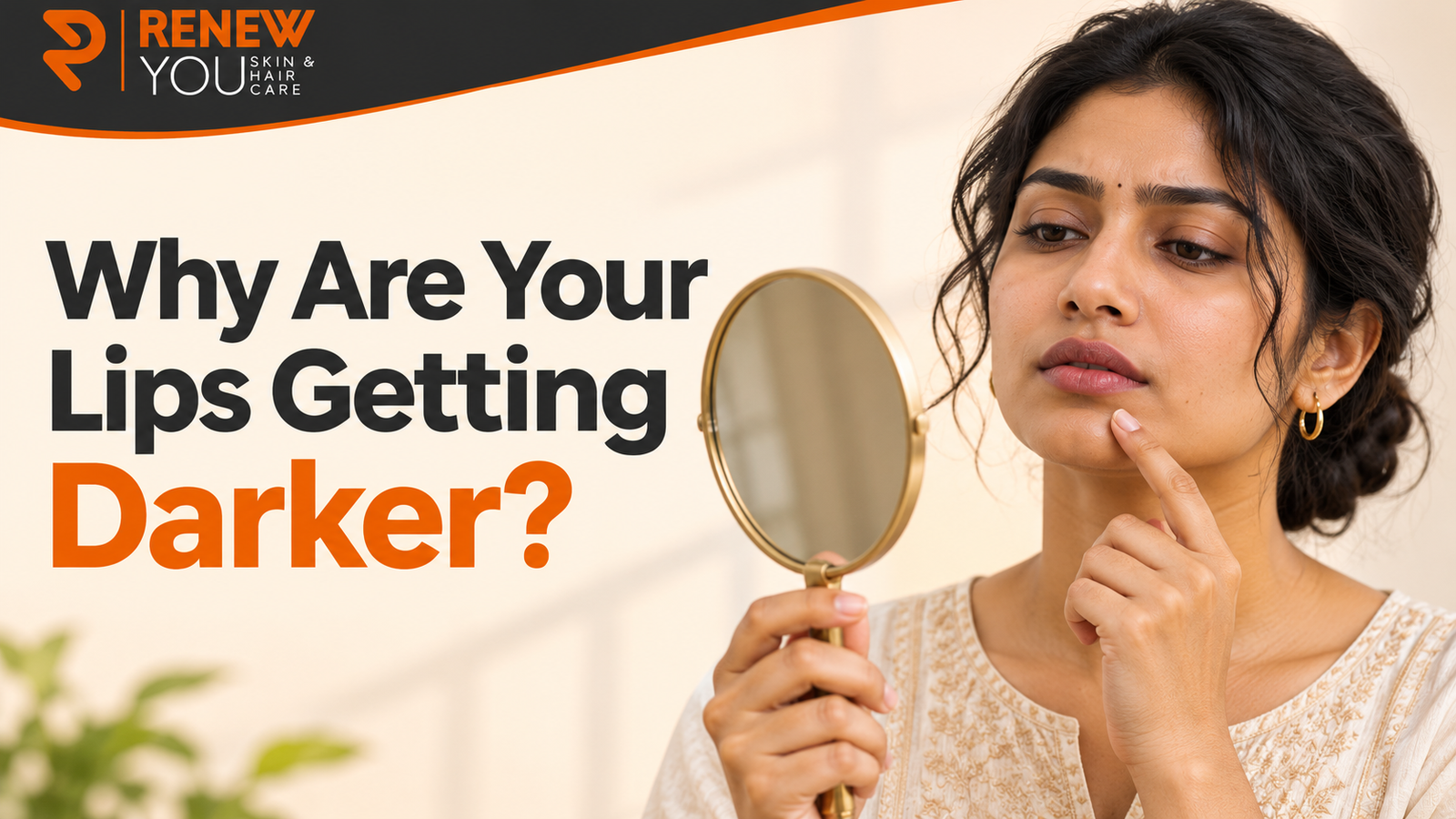
You may notice that your lips look darker than in old photos or that a brown spot has appeared on one lip. Lip pigmentation varies naturally across skin tones, but a change from your usual colour can have several explanations. If you are looking for lip pigmentation care in Mohali, take note of whether the colour changed across both lips, appeared in a single spot or followed a period of dryness or irritation.
Why can lip colour change?
The lips can react to products that touch them often, including lipstick, lip balm and toothpaste. Flavouring or fragrance can irritate the area or trigger an allergic reaction in some people. Burning, flaking or swelling may happen first. A darker area can remain after inflammation improves, even when the original product is no longer being used.
Repeated lip licking can irritate the skin around the mouth, particularly if the lips already feel dry. Tobacco use and sun exposure may also be relevant. Tell your clinician about medicines you take, since some can affect pigmentation. Do not stop a prescribed medicine without discussing it with the person who prescribed it.
What if you notice just one dark spot?
A small flat brown spot, particularly on the lower lip, may be a labial melanotic macule. This is a benign area of extra pigment. Other lesions can look similar, so a new or changing spot should be identified before you apply a lightening product or consider a procedure.
Notice whether the mark has a clear edge and whether it has changed in size or colour. If you have a photo from before it appeared, bring it to the visit. An examination may include the skin around your mouth and the inside of your lips, because the distribution of pigmentation can help guide the assessment.
What can you do if your lips are irritated?
Set aside any new cosmetic or lip product that repeatedly stings or causes a rash. If your lips are dry, choose a bland, fragrance-free balm or plain petroleum jelly if tolerated. A lip balm with broad-spectrum SPF 30 or higher can help protect exposed lips outdoors. Reapply according to the label, particularly if you have been eating or drinking.
Avoid rubbing your lips with scrubs, lemon juice or bleaching products. These can make irritated lips less comfortable. If you use tobacco, ask about support to cut down or quit. Keep a short list of products you use and when you started them; it can help your clinician spot a possible trigger.
When should you get a change checked?
Book an assessment if a spot is new, growing, changing shape or developing several colours. Seek advice for a persistent sore, a lump or unexplained bleeding. If your lips or tongue suddenly swell and you have trouble breathing, seek emergency medical help immediately. A longstanding, even colour that has not changed is a different situation from a new patch with symptoms.
At Renew You, a skin specialist in Mohali can look at the pattern and ask about recent exposures. A discussion about skin pigmentation starts with identifying the cause. Managing an ongoing reaction, monitoring a stable spot and considering cosmetic options are separate decisions. Ask what improvement is realistic and whether any treatment is necessary.
Frequently asked questions
Can a lip balm remove darker colour?
A balm can protect dry or irritated lips, which may help if irritation contributed. It does not remove every kind of pigmentation or change natural lip colour.
Does a brown spot on the lip always need removal?
No. Some spots can be left alone once identified. A clinician may recommend further assessment if the spot is changing or does not have a clear explanation.
Contact Renew You for an assessment if the colour of your lips has changed. Readers from Mohali, Panchkula, Solan, Shimla and Chandigarh can enquire about consultation options.