Ask someone about their haircare routine and they’ll usually talk about shampoo, conditioner, maybe a serum or two. Rarely does anyone mention their scalp specifically — but healthy hair genuinely starts there, not at the strands. If your hair hasn’t been behaving the way you’d like, your scalp might be the actual place to look.
Why the Scalp Matters More Than You’d Think
Think of your scalp the way you’d think of soil for a plant. No matter how much care you give the visible leaves, growth depends on what’s happening underneath. Hair follicles need a clean, balanced, well-circulated scalp to produce healthy strands. When the scalp is neglected — through buildup, dryness, or irritation — it shows up eventually as dullness, breakage, or slower growth, even if you’re doing everything right with the rest of your hair.
Common Signs of an Unhealthy Scalp
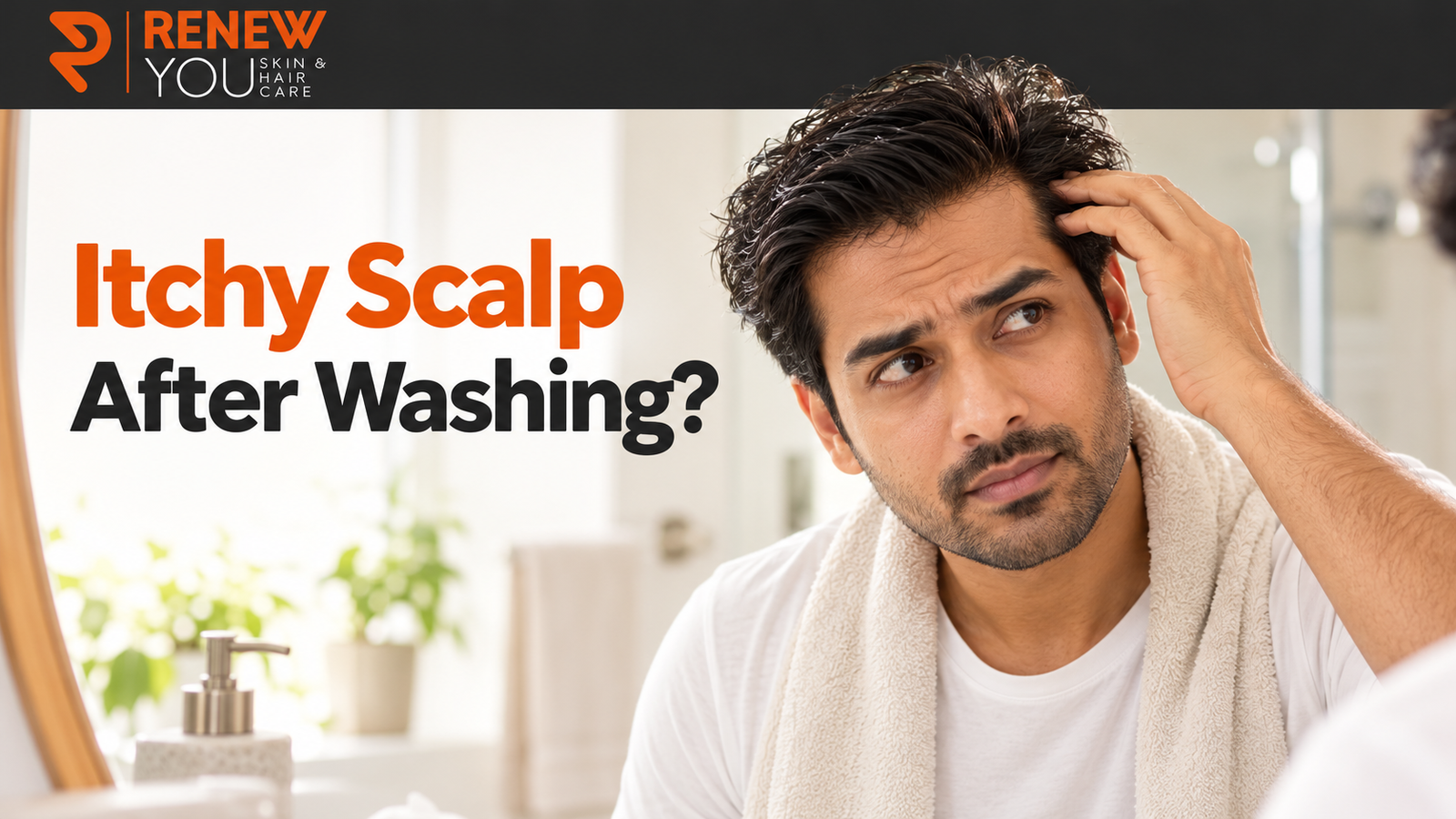
- Persistent itchiness, even shortly after washing
- Flaking, which can be a sign of dryness or product buildup, not always dandruff
- Excess oiliness that returns quickly after a wash
- Tenderness or tightness, especially noticeable when tying your hair up
- Slower-than-usual hair growth, without any other obvious cause
If a few of these sound familiar, it’s worth paying closer attention to your scalp specifically, rather than just switching shampoos.
Simple Habits That Actually Help
Don’t skip washing your scalp properly. A lot of people focus shampoo mostly on the lengths of their hair and rinse quickly near the roots. Your scalp needs proper cleansing too, especially if you use styling products regularly.
Massage your scalp regularly. A few minutes of gentle massage, whether during a wash or with oil, improves blood circulation to the area, which supports healthier follicles over time.
Don’t over-wash or under-wash. Both extremes cause problems — over-washing can strip natural oils and dry out the scalp, while under-washing allows buildup that can clog follicles. Somewhere in between, based on your hair type, usually works best.
Pay attention to product buildup. Dry shampoo, styling gels, and heavy conditioners can build up on the scalp over time if not cleaned properly, which can lead to irritation or blocked follicles.
Protect your scalp from sun exposure, especially if you have a fine or thinning hairline, since scalp skin is just as susceptible to sun damage as the rest of your skin.
When a Professional Scalp Treatment Helps
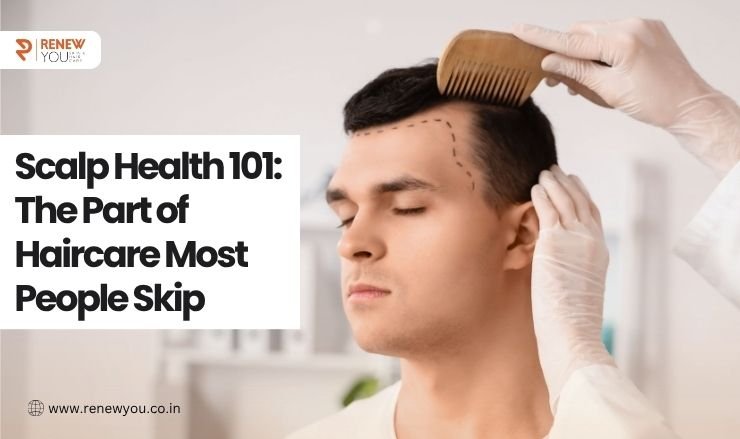
Occasional deeper care — like a professional scalp treatment or hair spa focused specifically on the scalp — can address buildup, dryness, or irritation more thoroughly than a regular wash at home. These treatments usually combine gentle exfoliation, a nourishing mask, and a proper massage, giving your scalp a reset that’s hard to replicate with everyday products alone.
A Simple Way to Start Paying Attention
You don’t need a complicated routine to start improving scalp health. A good starting point is simply noticing how your scalp feels a day or two after washing — itchy, oily, tight, or comfortable — and adjusting your routine based on what you notice, rather than following a generic routine that may not suit you.
Final Thought
Good hair care isn’t just about what you put on your strands — it’s about the health of what’s underneath them. Giving your scalp the same attention you’d give your skin can make a genuine difference in how your hair looks, feels, and grows over time.